“I’m not sure I want to know.”
This is often the moment when hesitation sets in.
Not because you don’t love your dog, but because you do.
Underneath that thought are often quieter questions:
- What would I do if we found something?
- Can I afford treatment?
- Will knowing make things better, or just harder?
Veterinary medicine has evolved in recent years. Today, some cancers in dogs can be found earlier, sometimes even before symptoms appear. This is a good thing. But it also introduces a decision that didn’t exist in the same way before.
Deciding whether to look for cancer isn’t just about the disease: it’s about how much information you want and when you want it.
It’s also about how that information might affect your dog, your family, and the life you’re living together right now.
It may help to remember this: screening does not create disease. It doesn’t make anything “real” that wasn’t already there. It simply offers information about what may already be happening inside your dog’s body.
For some families, that information brings reassurance. For others, it allows time to prepare. For some, it raises difficult questions. All these responses are valid.
Cancer screening can feel like opening a door that can’t be closed
Many pet parents worry that finding something will immediately lead to decisions about treatment, cost, or quality of life. Others worry that knowing will replace peace of mind with ongoing anxiety. Some want to hold onto the feeling that everything is okay while their dog seems happy and healthy.
Dogs, however, don’t experience illness the way humans do. They don’t anticipate diagnoses or worry about what might happen next. Their experience is shaped by how they feel day to day.
This means the weight of “knowing” falls on the people who love them.
Choosing not to screen is often a way of protecting yourself emotionally. It reflects a desire to hold onto what feels stable and to avoid unnecessary distress. At the same time, uncertainty has its own weight. Not knowing can linger quietly in the background, especially as dogs get older or if certain risk factors are present.
The tension between protecting today and preparing for tomorrow is what makes this decision feel so heavy.
Cancer in dogs may develop quietly
Because dogs are very good at hiding discomfort, many continue to eat, play, and behave normally in the early stages of disease. By the time signs like weight loss, low energy, or visible lumps appear, their disease may already be more advanced.
This means how a dog looks on the outside doesn’t always reflect what’s happening inside.
Cancer screening exists to help bridge that gap by helping detect signs of cancer before they seem sick.
In many cases, cancer screening is simple
For the most common cancer in dogs, lymphoma, screening can be done as a blood test during a routine wellness visit. This test doesn’t require any additional samples beyond what’s already part of most dog’s routine blood testing.
Depending on your dog’s age, breed, or medical history, your veterinarian may recommend additional testing or imaging. For most dogs, the process is often low stress and like other routine tests.
Screening isn’t emergency care. It’s usually a conversation with your vet that happens when your dog is feeling well and at their routine checkup. This can give you more time to think through next steps if needed.
Now, we can know earlier
In the past, veterinarians usually had to wait for symptoms to appear before identifying cancer.
That’s starting to change.
In some cases, cancer can now be detected earlier with specific screening tests, even before a dog seems sick. This can shift how decisions are made.
Instead of reacting under pressure, families may have time to ask questions, consider different treatment or supportive care paths, and make decisions that are right for them.
Sometimes, early or unexpected information creates space in ways that aren’t obvious at first.
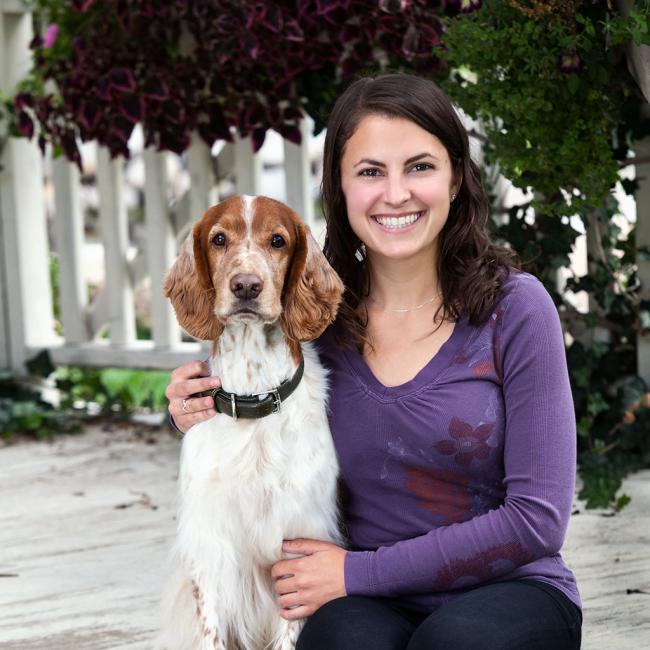
I experienced this with my own dog, Mason
During treatment for an unrelated condition, an ultrasound revealed a mass near my dog Mason’s heart. Mason felt completely normal at the time, and we didn’t rush into treatment. Instead, we monitored it, asked questions, and made decisions gradually as things changed.
When it eventually began to affect him, we chose to pursue radiation therapy. That was the right decision for us, but it’s not the only path. Not every family would make the same choice.
What mattered most was that we had time. Time to understand what we were dealing with, to think through our options, and to move forward in a way that felt considered rather than urgent.
Early information doesn’t tell you what you have to do. It simply gives you more room to decide what feels right.
Early detection can bring clarity and time to process what comes next
Early detection of cancer may:
- Catch cancer before you notice any signs at home
- Give you time to prepare emotionally
- Allow more time to understand and plan for potential costs
- Reduce the chance of certain emergency situations
It cannot:
- Prevent cancer
- Guarantee a cure
- Remove difficult decisions entirely
- Predict the future
Screening reflects what is happening at one moment in time. It doesn’t promise that your dog won’t develop cancer in the future. It’s also not a promise of a better outcome, but a tool that offers clarity.
How do I decide if cancer screening is right for your dog?
There isn’t one right answer. This decision depends on your preferences, your circumstances, and what matters most to you.
Some questions you can ask yourself that may help you decide:
- Would earlier information help me feel more prepared?
- Does not knowing bring me peace or lingering worry?
- How do I define quality of life for my dog? For myself?
- Do I prefer to plan ahead, or take things as they come?
It may also help to think about what you might want if something were found early, including any financial or emotional boundaries.
One important thing to remember: screening provides information, not obligation. Learning this information doesn’t commit you to a specific path. It simply allows you to choose what, if anything, comes next.
Families may prefer to focus on symptoms as they arise
Choosing not to screen is a personal decision. Emotional readiness, financial considerations, and personal values all play a role. It’s also fair to recognize that later detection can sometimes mean more urgent decisions.
At the same time, it’s appropriate to choose what feels manageable and right for your situation.
If you decide not to screen now, you can always revisit that decision later.
Your veterinarian can discuss options with you
Your veterinarian can help you think through this decision in a way that fits both you and your dog.
A helpful conversation might include:
- Your dog’s age, because the risk of cancer increases as dogs get older
- Your dog’s breed, because certain breeds are predisposed to certain types of cancer
- Any concerning findings on physical exam
- Your comfort level with uncertainty
- What you would want if something were found early
- Financial considerations and treatment preferences
- Whether you prefer to plan ahead or take things step by step
You don’t need to have everything figured out before you ask. The goal is simply to understand your options and decide what level of information feels right for you.
Final thoughts
Deciding whether to screen your dog for cancer is personal, but for many families, it can be a meaningful way to gain clarity. For me, knowing my dog Mason had cancer before he seemed sick didn’t create pressure—it created time to understand his diagnosis and think through what to do next.
Cancer screening isn’t about committing to a specific path; it’s about having more information earlier. For many pet parents, that insight can make it easier to weigh options, plan next steps, and move forward in a way that feels right for them and their dog. If you’re interested in cancer screening for your dog, your next visit is a good opportunity to start a conversation with your veterinarian.
Frequently asked questions
Frequently asked questions about this topic
Cancer screening is often discussed as dogs reach middle age and beyond, since cancer risk increases with age. Your veterinarian may also recommend screening based on your dog’s breed, medical history, or other risk factors. It isn't recommended for every dog at every stage of life, so it’s helpful to have an individualized conversation with your vet.
Some cancers don’t cause noticeable symptoms early on, which means a dog can appear completely healthy even if something is developing. Screening is one way to look beyond what we can see on the surface, but whether to do it depends on your goals and comfort level.
An abnormal result doesn’t automatically mean your dog has cancer, and it doesn’t mean you have to make immediate decisions. It usually means your veterinarian will recommend additional testing to better understand what’s going on. From there, you can take time to review options and decide what feels right for you.
Yes. Screening is not a one-time, all-or-nothing decision. Many pet parents revisit the idea over time, especially as their dog ages or circumstances change. Veterinarians may recommend screening at each of your dog’s wellness visits, depending on their risk factors. You can always bring it up again at a future visit.