


Image

Is Your Dog Limping? Possible Causes & What to Do Next
Limping and joint pain are common in dogs. Learn what limping could mean for your dog and when to call the vet.


Clear, helpful guidance to understand common changes you may notice in your dog.
Dogs can’t tell us when something feels wrong, so changes at home can be important clues.You may notice changes in how they act, eat, look, or walk. Here, you’ll find information about common dog symptoms to help you understand what you may be seeing and how your veterinarian can help.

Not sure where to start? Explore common symptom types below to learn more.
There's a lot to know about your dog's health. Here's an article we think deserves a closer look.
Dogs can lose weight for many reasons, and not all of them are obvious. We’ll walk through what weight loss can look like, the most common reasons behind it, and the signs worth bringing up with your vet.

These are some of the most popular symptom‑related articles dog owners are reading right now.
Limping and joint pain are common in dogs. Learn what limping could mean for your dog and when to call the vet.
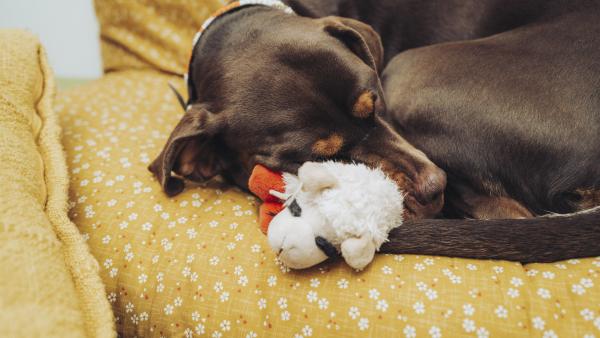
Dog diarrhea is common, but recurring or prolonged symptoms may signal an underlying issue. Learn the causes, red flags to watch for, safe at-home care, and when to call your veterinarian.

Vomiting, diarrhea, appetite changes, and more—learn the symptoms of digestive issues in dogs and when to seek veterinary care.
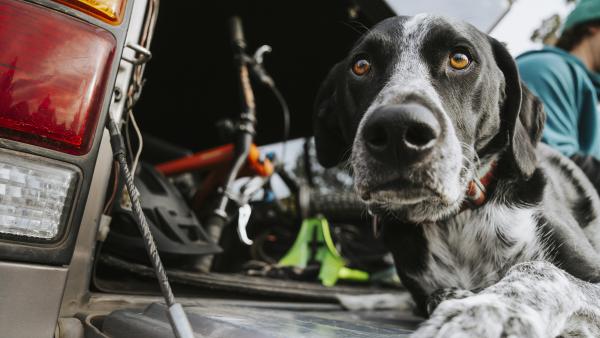
This article help you determine if your dog has a simple upset stomach or should be seen by a veterinarian for testing after vomiting or having diarrhea.
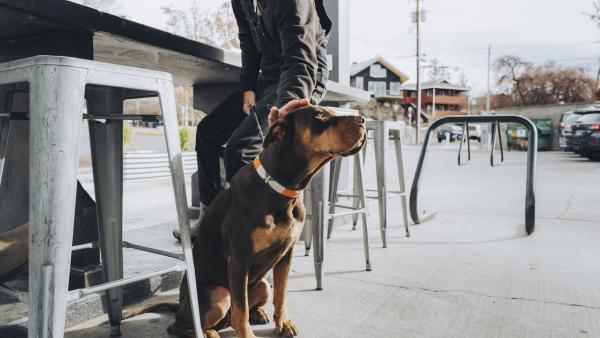
Is your dog scratching their ears? Learn common causes of itchy dog ears, signs to watch for, and when to see your vet.
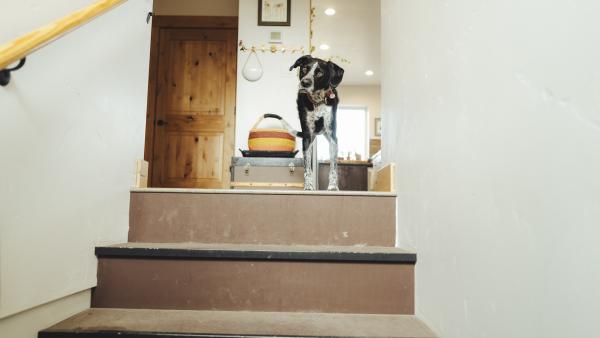
Learn why dogs lose weight even when eating normally, what signs to watch for, common causes, and when weight loss means it’s time to call your vet.
Found a new lump on your dog? Here's how vets identify what it is and what comes next.
Red skin, bumps, or constant scratching? Here's what may be going on with your dog's skin.